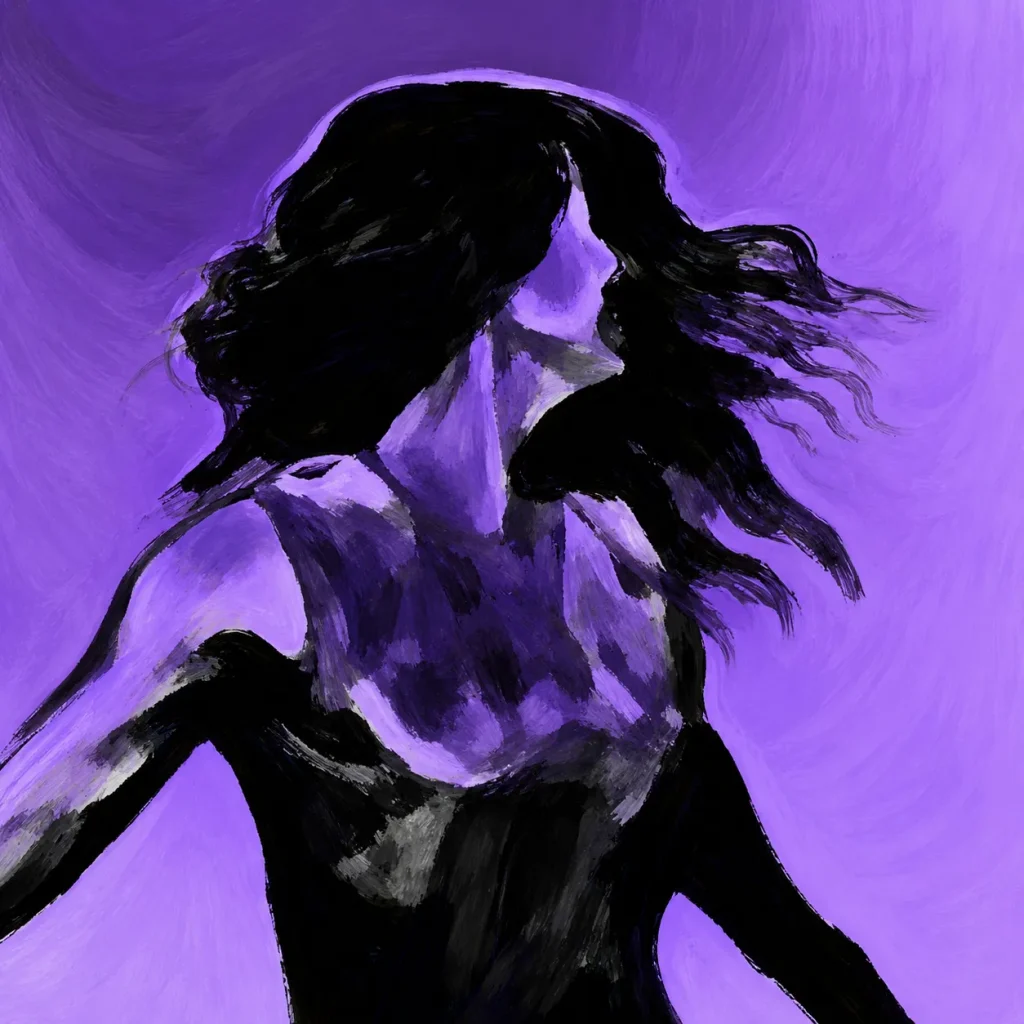
Movement is Medicine
By Jeannine Walston
Facebook
Twitter
LinkedIn
Email
“Movement is medicine.”
-Gabrielle Roth
Moving the body can raise energy levels and provide other physical benefits, release tension, break up habitual physical, mental, and emotional holding patterns, enhance spirituality, invite self-discovery, and offer other support for all people, including cancer patients.
Many forms of movement exist. Explore different styles and find a practice that moves you. Consider classes in your community, at home,, or turning on music and letting go into the beat. Movement is an essential component of an integrative cancer care plan to support improved quality of life. Depending on a person’s specific condition, recommended forms of movement may vary. However, very basic forms of movement are necessary for everyone.
Movement and the Mind-Body
Movement can work more than just muscles, organs, and bones. An active, physically fit body with regular movement supports a healthy mind. The physical body is associated with mental and emotional patterns and vice versa. The body and the mind are in constant communication, influencing and shaping one another. The body feeds the mind; the mind feeds the body. An effective strategy to shift the mind is through the body.
Knowing Self Through Movement
The body’s impact on the mind illustrates that movement is more than physical exercise. Movement is the dynamic nature of life and the moment-to-moment potential for each person to be more fully alive with presence. Related to the physical body, thoughts, and emotions, the ways in which each individual moves, and does not move, are reflected in every aspect of life. Some examples include breathing, communication, relationships, ambitions, beliefs, worldview, and work. What is your quality of movement in those areas and others? Do you feel fluid or fixed and open or closed? A vast range of movement qualities is expressed by each individual, from fluidity with balance and alignment in connection with oneself and the outside world to feeling really stuck, tense, edgy, closed, and disconnected. Fluid, organic movement that is grounded, open, relaxed, and centered supports a healthy body, mind, and spirit. A lack of fluidity creates significant restrictions and limitations. People experience blocked movement or energy flow when they feel stuck with habits and patterns that are undesirable and uncomfortable. Yet, unhealthy habits and patterns in the body, mind, and spirit can be changed.
Architecture of Movement
What supports movement? Breath is what gives you life and the foundation of your movement in each and every moment. The rhythms of your breath also create key supportive architecture between your mind and body. Connecting with your breath in movement practices builds a bridge to cultivating deeper awareness of your movement quality and expression in daily life.
Benefits of Movement
Movement invites transformation and brings people closer to themselves. The practice of movement can support opening and expansion, helping people discover more of who they are and reach their full potential. Movement practices can create shifts in the body, mind, and spirit, impacting the whole person. Health and healing require fluidity. Supporting and maintaining the flow of body, mind, and spirit vitality, movement guided by breath invigorates the life force, aiding health and healing.
Movement and You
How can you create and support movement in your body, mind, and spirit? What moves you? Explore forms of movement practices. Tune into yourself. Observe and listen to what your body communicates. Move your body to expand your mind and spirit. Find your movement medicine.
Additional movement includes Tai Chi, Qigong, Yoga, and other moving medicine. You can also learn the benefits at Exercise for Cancer Patients.
I wholeheartedly appreciate Gabrielle Roth, the visionary founder of 5Rhythms. Through movement and dance, I explored my ego and insights, including exchanges with Gabrielle herself. She offered wisdom, as I provided research in her journey with lung cancer. Gabrielle passed away in 2012, yet she remains in my presence.